


Concrete Maintenance
- Bill Friske

- Jan 6
- 2 min read
Updated: Jan 7
The Importance of Repairing Your Manufacturing Plant's Concrete Floor
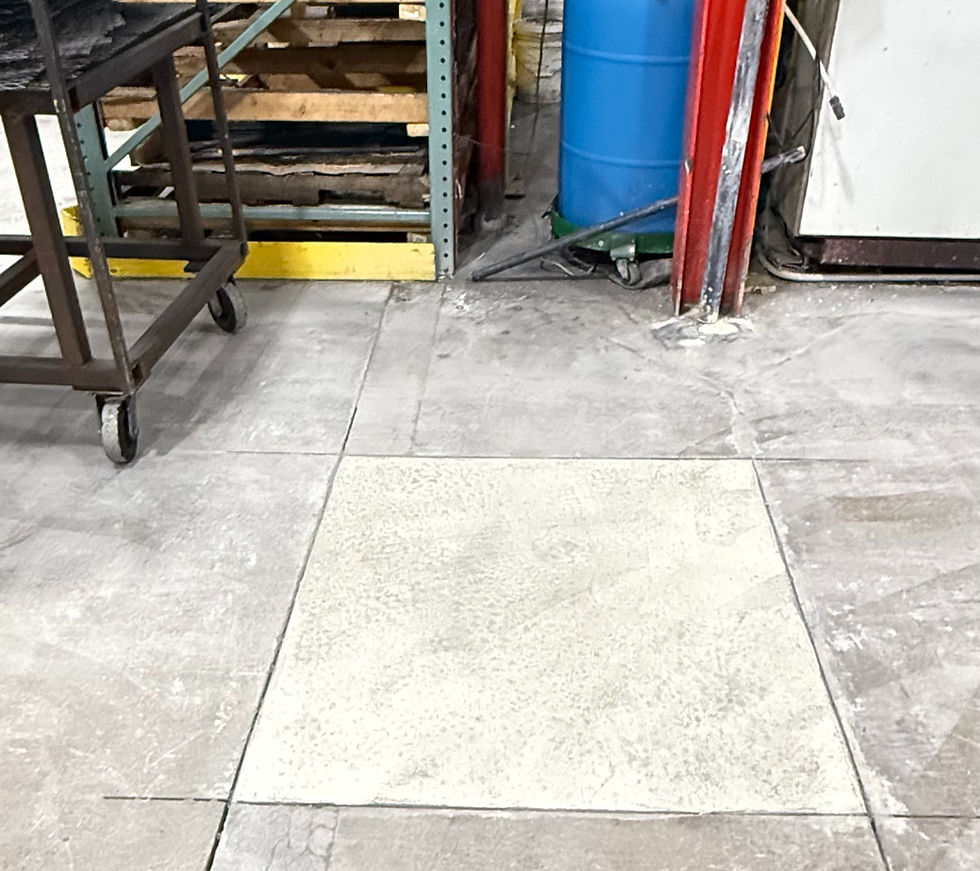
In any manufacturing environment, the safety and efficiency of operations are paramount. One often overlooked aspect is the condition of the concrete floor. Neglecting to repair damaged or uneven concrete can lead to serious consequences, including accidents and operational disruptions. Here’s why addressing these issues is critical before a staff member trips or a high-low loses its load.
1. Enhancing Workplace Safety
A well-maintained concrete floor is essential for ensuring the safety of all employees. Cracks, holes, and uneven surfaces pose significant tripping hazards. When staff members trip, the consequences can range from minor injuries to severe accidents that could lead to long-term disability or even fatalities. By proactively repairing the floor, you create a safer working environment, reducing the risk of accidents and fostering a culture of safety.
2. Preventing Equipment Damage
Manufacturing facilities often rely on heavy machinery, including high-lifts and forklifts, to transport materials and products. An uneven or damaged floor can affect the stability of these machines, increasing the likelihood of accidents. If a high-low loses its load due to a floor defect, it can result in costly damage to both the equipment and the products being transported. Regular maintenance and timely repairs can mitigate these risks, ensuring that machinery operates smoothly and safely.
3. Improving Operational Efficiency
A damaged concrete floor can lead to inefficiencies in manufacturing processes. Uneven surfaces may slow down the movement of goods and create bottlenecks in production. Workers may have to navigate around damaged areas, which can lead to delays and decreased productivity. By maintaining a smooth, level floor, you facilitate the efficient movement of materials and enhance workflow, ultimately improving overall operational efficiency.
4. Reducing Long-Term Costs
While repairing concrete floors may seem like an upfront expense, it can save money in the long run. Ignoring minor cracks and imperfections can lead to more significant damage over time, resulting in costly repairs or even complete floor replacement. Additionally, the potential costs associated with employee injuries, equipment damage, and lost productivity can far exceed the investment in regular floor maintenance.
5. Upholding Company Reputation
A safe and well-maintained manufacturing facility reflects positively on your company’s reputation. It demonstrates a commitment to employee welfare and operational excellence. Conversely, frequent accidents or safety violations can tarnish your reputation and impact your relationships with customers and stakeholders. By prioritizing floor repairs, you showcase your dedication to maintaining a safe and efficient workplace.
Conclusion
Repairing your manufacturing plant's concrete floor is not just about aesthetics; it’s a critical component of workplace safety, operational efficiency, and cost management. By addressing floor issues promptly, you protect your employees, equipment, and overall business health. Don’t wait for an accident to occur—invest in your facility's maintenance today to ensure a safer and more productive tomorrow.



Comments